The Upper Orara Valley contained a large area of scrub, or sub-tropical rainforest, near the river and forested hills around it. Generally hardwoods on the hills and softwoods in the scrub, much of it red cedar.
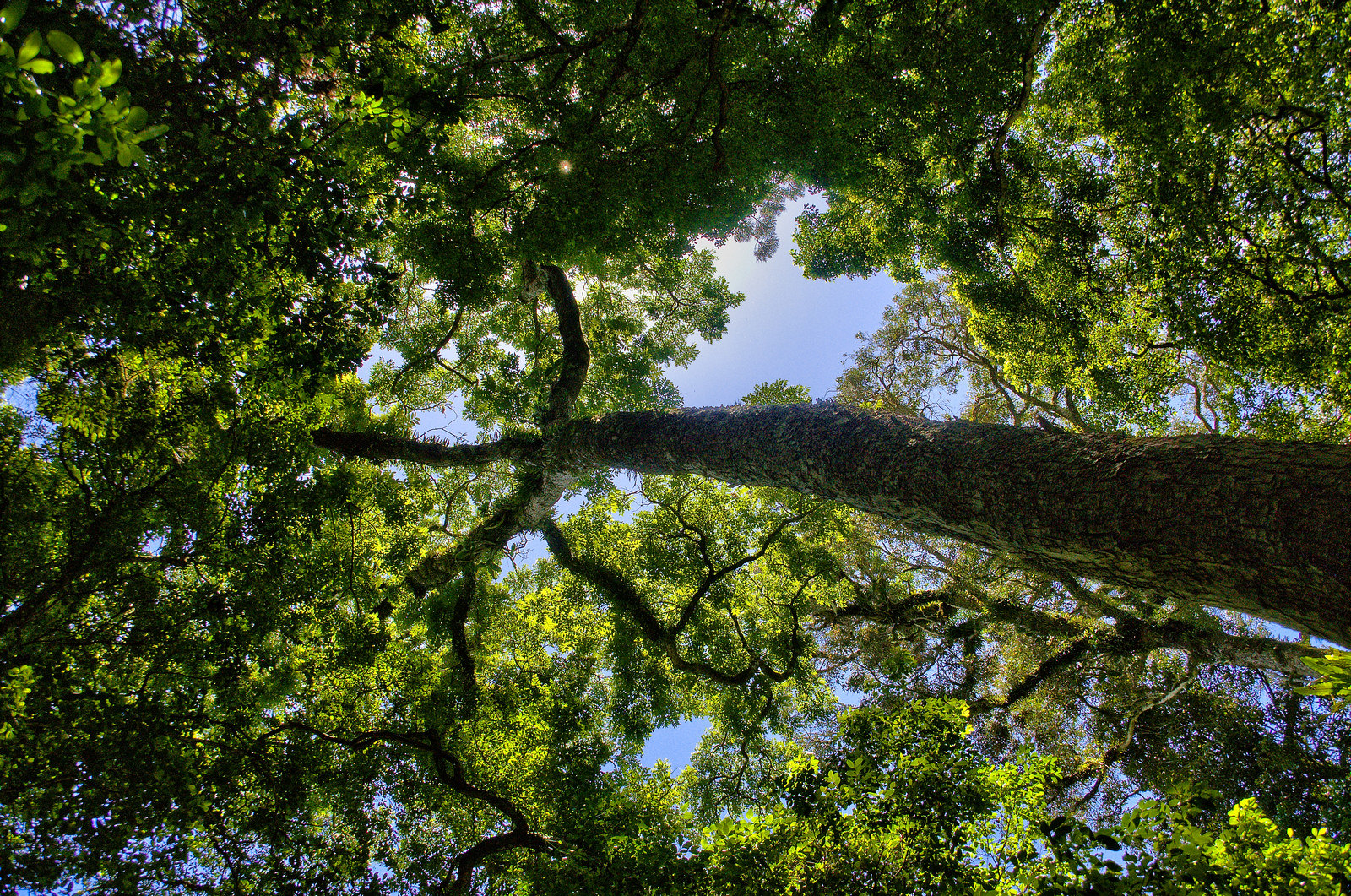
Australian Red Cedar (Toona ciliata) is one of Australia’s most valued timber trees, known for its deep red-brown wood, fine workability, and historical importance. Once abundant in the rainforests of eastern Australia, it was so highly prized by early settlers that it became known as “Red Gold.” Its timber was used extensively in furniture, cabinetry, and construction, leading to widespread logging and a decline in natural populations. (https://www.australianwoodwork.com.au/pages/australian-red-cedar)
Initially the cedar-getters came to the area before other Europeans and hence before infrastructure such as roads and a jetty. The value of the cedar made it worthwhile to go to all the trouble of transporting it to market. However, it meant that only the best of the tree was used and much was left to rot away. Quite wasteful exploitation.
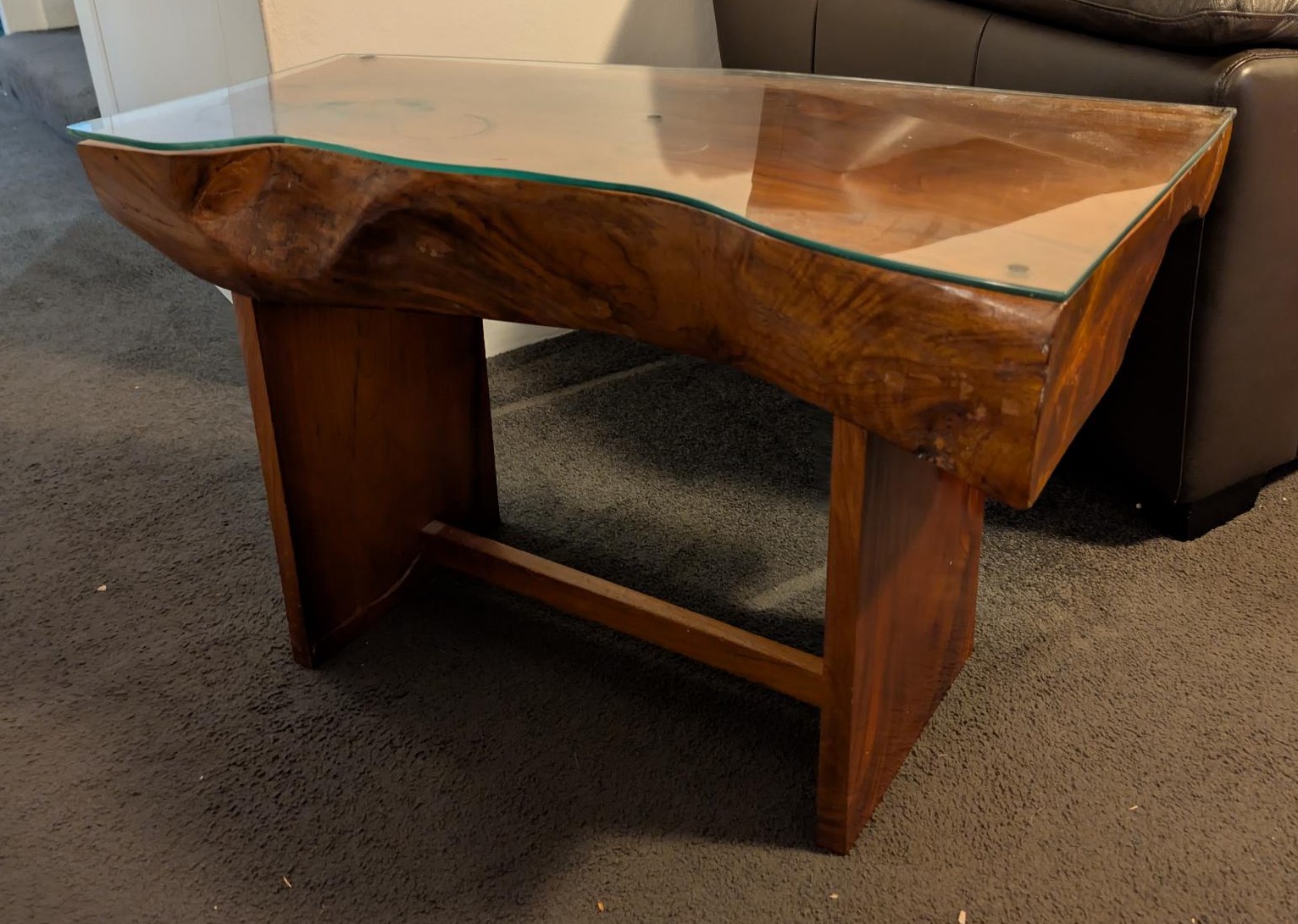
Cedar-getters at Upper Orara
Cedar cutters had entered the Upper Orara basin before 1880. It appears that the Bradley family of a father and six sons with William Frisby of the Bellinger and several cutters had entered the area and pitched camp a little to the north of the Dunvegan (later Upper Orara) school site. This would have been about mid-1879.
Forest Ranger Allan investigated the forest resources. He made his report in January 1880. “The river is not charted on the map so that I cannot give a definite boundary. The whole of the country is heavily timbered with fine valuable timbers such as blackbutt, red gum, box, tallowwood, rosewood, beech and cedar. Also, quantities of brush timber.”
William Bradley and his brother formed a camp on a piece of land immediately below the Upper Orara School. They drew cedar on a track cut through to Coffs Harbour and surfed it out to boats before the Jetty was constructed. Mr Bradley had an old identity named Harry Hogan squaring cedar logs.
The cutting of cedar continued. Bradley had a team of a dozen or so cutters while teamsters Jack Carrall, Charlie Parker and another, all of whom lived in Coffs Harbour, drove teams which hauled the logs to Coffs Creek, about the northern end of Gordon street, they were ‘tilted’ into the stream and floated down to the beach near the present railway bridge and from there hauled out to be loaded onto small ships which stood under the lee of Muttonbird Island. Later on about 1885, the Bradleys sold their outfit to two sons of the sugar mill owner, James Small, at Korora. The Smalls drew over a million feet of Cedar from the Orara. There is no record of the amount that the Bradleys sent away.
In the meantime, other cedar cutters had penetrated the Upper Orara, [William and George] Ellis set up a large camp on what is now Mr Hoschke’s farm along the Karangi road, and his workmen were busily engaged in cutting cedar without opposition in that area. Mr Duncan and Mr Pike were prominent in the final years of the cedar business in the valley.
James Small and his two sons of Korora and they continued to cut cedar until about 1885 when it was considered that available cedar was exhausted.
Excerpts from ‘The Orara Story’, by England, G. (Undated).
Timber and Uses
After the cedar-getters finished the settlers came and cleared the best of the land. In the process trees were burnt and or killed by being rung-barked (a circle of bark cut around the base of the tree will kill it).
The settlers used wood for houses, sheds, fences and any where else timber could be utilised. Initially it was split into slabs or sawn by hand, using a pit saw, and later sawmills were in the area. The major sawmills were in Coffs Harbour but small mills continued in the valley through the 1900’s.
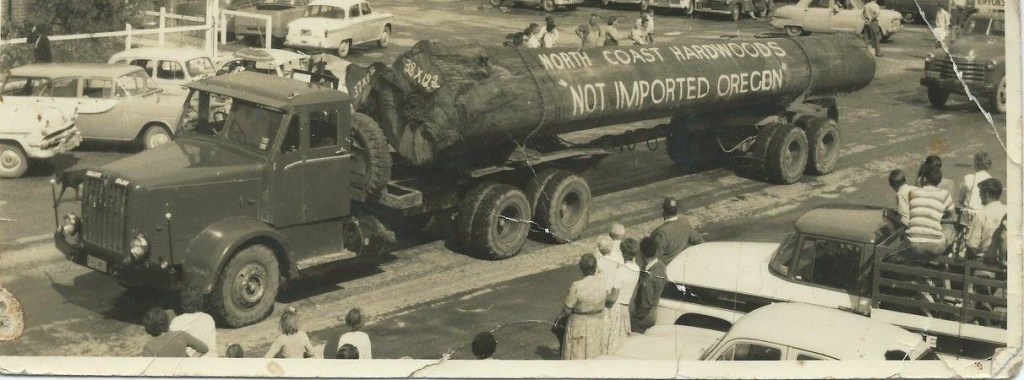
See Houses and Fences Made of Timber by the First Settlers | Hoschke Family in Australia
UPPER ORARA. SAWMILL DESTROYED BY FIRE.
Seccombe’s sawmill was totally destroyed by fire early on Saturday morning. A quantity of sawn timber was also burnt. When the fire was discovered it was too late to do anything, as the building was a mass of flame. It had been raining during the night, otherwise more sawn timber stacked nearby would have been destroyed and the cottages would have been in danger, also Saxton and Son’s sawmill, which is only a short distance away. A lot of men will be thrown out of employment by the fire. The sawmill was well equipped, and the loss is a big one.
APA citation UPPER ORARA (1926, September 22). Daily Examiner (Grafton, NSW : 1915 – 1954), p. 2. Retrieved February 27, 2026, from http://nla.gov.au/nla.news-article195435260
Coffs Harbour Advocate (NSW : 1907 – 1942; 1946 – 1954), Friday 1 August 1947, page 3
In the early hours of Sunday morning the Upper Orara sawmill was totally destroyed by fire. The cause of the fire is unknown and when discovered had a firm hold. In a short time, the whole of the mill and its contents were destroyed.
APA citation UPPER ORARA (1947, August 1). Coffs Harbour Advocate (NSW : 1907 – 1942; 1946 – 1954), p. 3. Retrieved February 27, 2026, from http://nla.gov.au/nla.news-article1850368
