This is a good summary of the early days at Orara. It covers the geography, timber, lack of roads, social life, sport, access to medical facilities, gold mining, dairying, vegetable crops, bananas and the great public spirit.
Daily Examiner (Grafton, NSW: 1915 – 1954), Saturday 13 December 1947, page 6
It is a little over 60 years ago since land was selected at Upper Orara, states Mr. G. Burling, a great champion of the area, in this interesting article on the growth of the district.
SIXTY YEARS OF SETTLEMENT AT UPPER ORARA
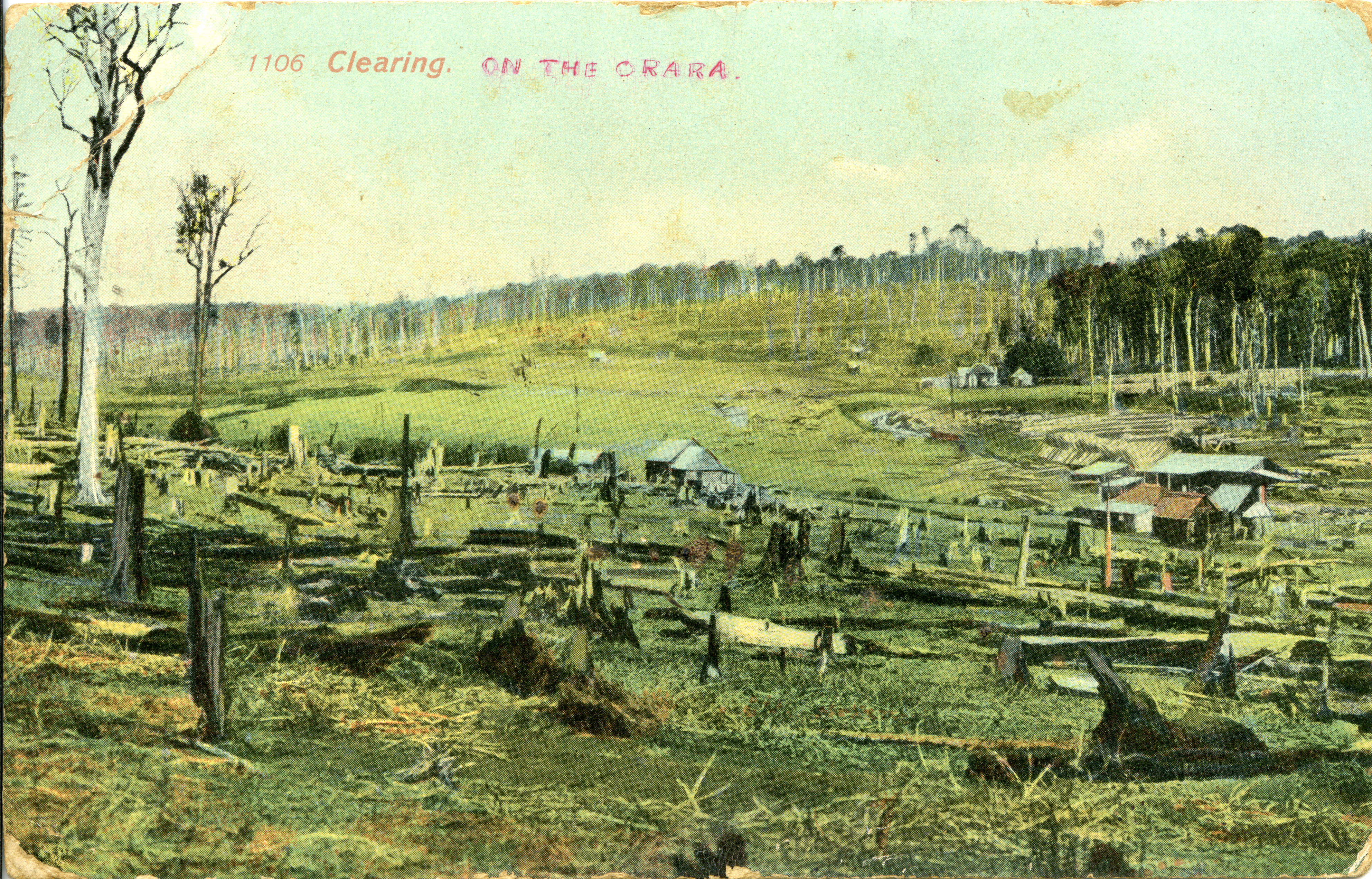
When, the settlers began to take up permanent residence the place was dense scrub on the flats and heavily timbered on the Hills. There being some good cedar and beech trees on the flats, which was cut and transported to Coff’s Harbour for shipment to Sydney. Some was cut by hand in what was known as pit sawing. This timber was used for buildings on the farms and some of it today is in a good condition.
Amongst the first settlers to arrive were John and Angus McLeod selecting land between Orara and Karangi, Mr. and Mrs. Richard Ferrett and family, and Mr. and Mrs. Amandus Hoschke and family. It was not long before others looking for land and seeing the rich scrub country and the pure running water of the Orara river selected and later came to live on their holdings.
HARD LIFE
It was a hard life, and the people were isolated to a great extent. The only outlet was bush tracks to Coff’s Harbours and Coramba. Goods were transported by bullock wagon or in many cases were carried by the men. By degrees roads were made. The work was mostly done by the settlers and the money earned helped to keep their homes going until the farms became productive.
After roads were built, Mr. James Marles, of Coff’s Harbour provided a very good service by running a weekly van which carried most store lines and, collected the eggs [being sold by the settlers]. This was a boon to the settlers. The drivers were well-known and very popular. Some names that come to mind are Dick Ferret, Will Shepherd and Jack Davis.
DANCES AND PICNICS
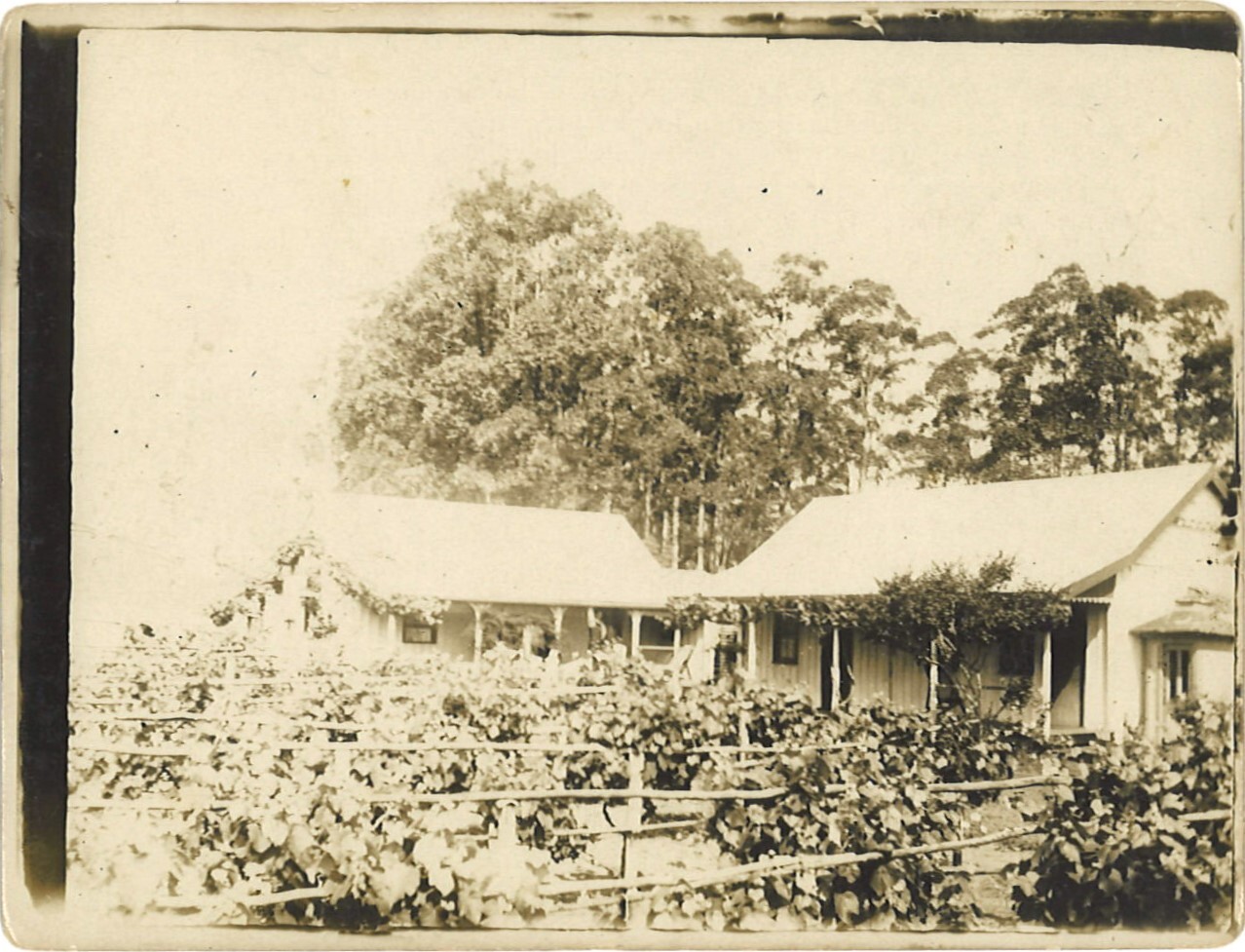
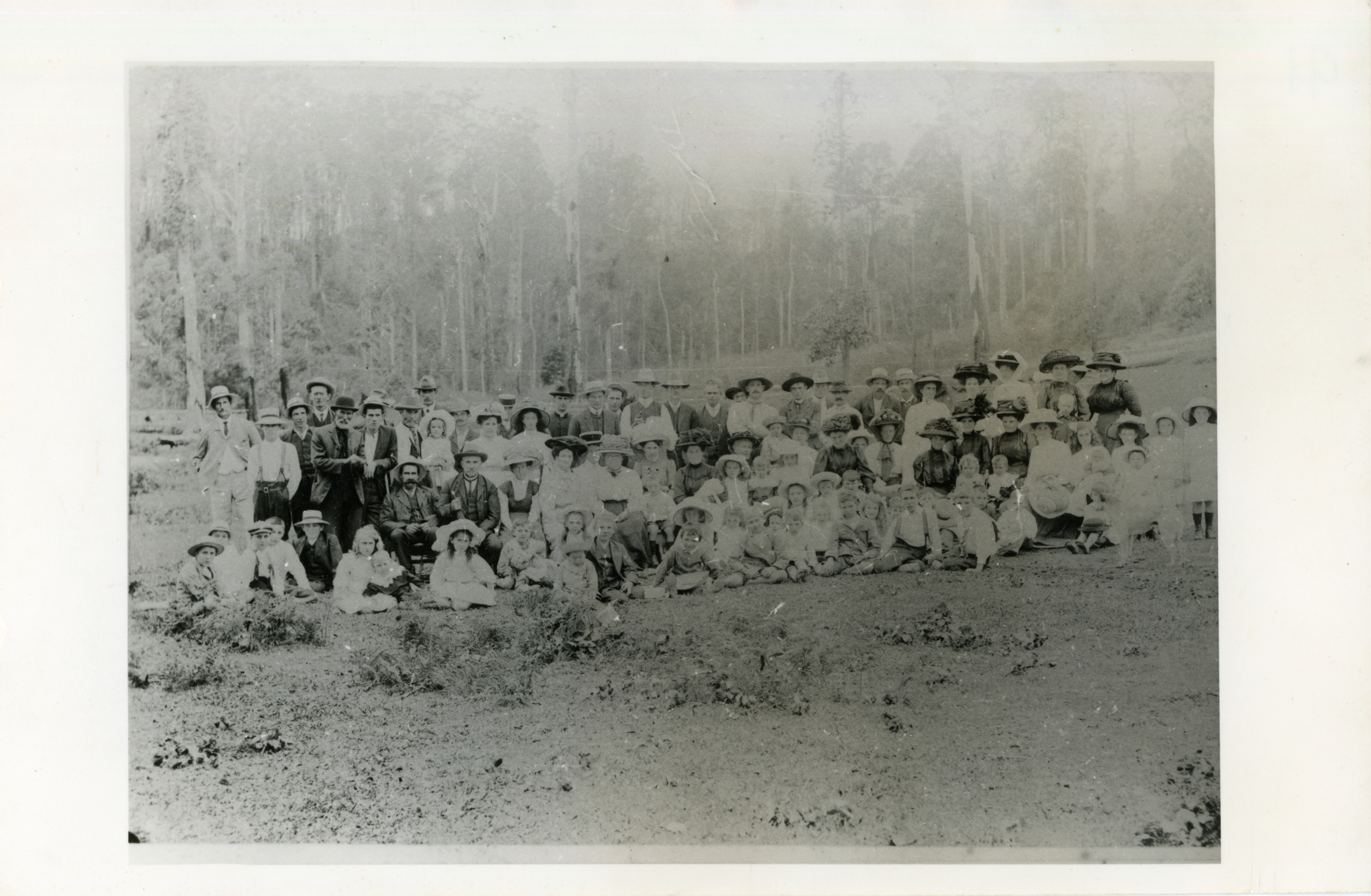
As time went on the people had their relaxations and pleasures, Dances, picnics and concerts were held, when the residents would attend in a body and any newcomer would receive a hearty welcome. Cricket and football were played and, later, tennis. The homestead known as the “Cedars”, the home of Mr. and Mrs. Alf Walsh was the centre from which most sport originated. The first cricket pitch and the first tennis, court were there, and before the hall was built the spacious barn was used for dances, concerts and social gatherings.
There were always local musicians available and good vocal artists. A well-known identity who visited the Walsh home was “Dad” McGearye, who acted as dentist to any one requiring attention for a troublesome tooth, and in some cases dispensed a tonic of his own making.
FIRST POST OFFICE
Meeting Mrs. John McLeod, who with husband are living at Warrell Creek brings to mind that Mrs. McLeod was the first postmistress at Upper Orara. The office was on the farm now owned by the family of the late Robert Ide. The Post Office was used as a receiving office for parcels of meat, bread and sundry things brought there by the mailman and others to be called for Mrs. McLeod was always courteous, and obliging.
The nearest doctor in the early days was at Bellingen, and the people owed a debt of gratitude to Mrs. Janet Ide and Mrs. R. J. Ferret for nursing attentions. Also, to various others who were always ready to assist, and if necessary, help to get a patient to a doctor.
Included in the settlers were men of most trades, which included, William Small, surveyor, David Small, blacksmith; J. J. Boultwood, John McGuigan, John Watt and C. Pearson were carpenters. C. Pearson senr. was a bricklayer. Others were proficient farmers and dairymen. All contributed to the progress of the district.
BRIDGES BUILT
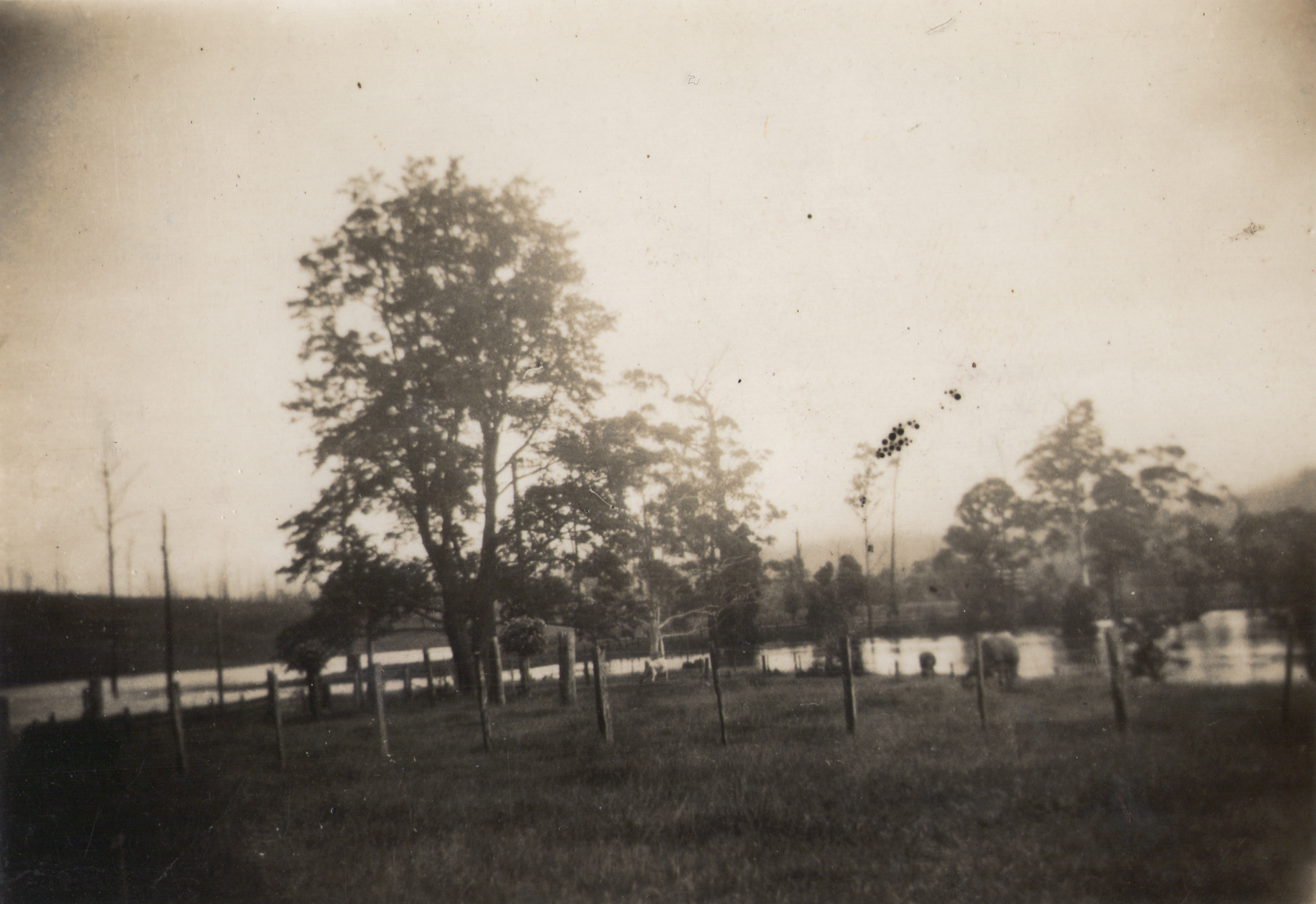
Bridges were gradually built over the south branch of Orara and Friday’s Creek, and in recent years over the west branch at Houlahan’s Crossing. This was a dangerous crossing in flood time and Pat Houlahan and sons were always ready to assist in getting food and produce across.
Before motor cars came people took a pride in their horses and some good ones were owned in the district. Perhaps Joe Smith, one time hotelkeeper, had the fastest in a horse named “Rowdy” which could beat anything on the road especially coming home from town. John Martin, erstwhile sailor, had the most steady one in a horse named “Bessie” who missed one of the turns coming from Coff’s Harbour. Horse, cart and driver landed in a gully to be rescued next morning unhurt.
SEARCH FOR GOLD
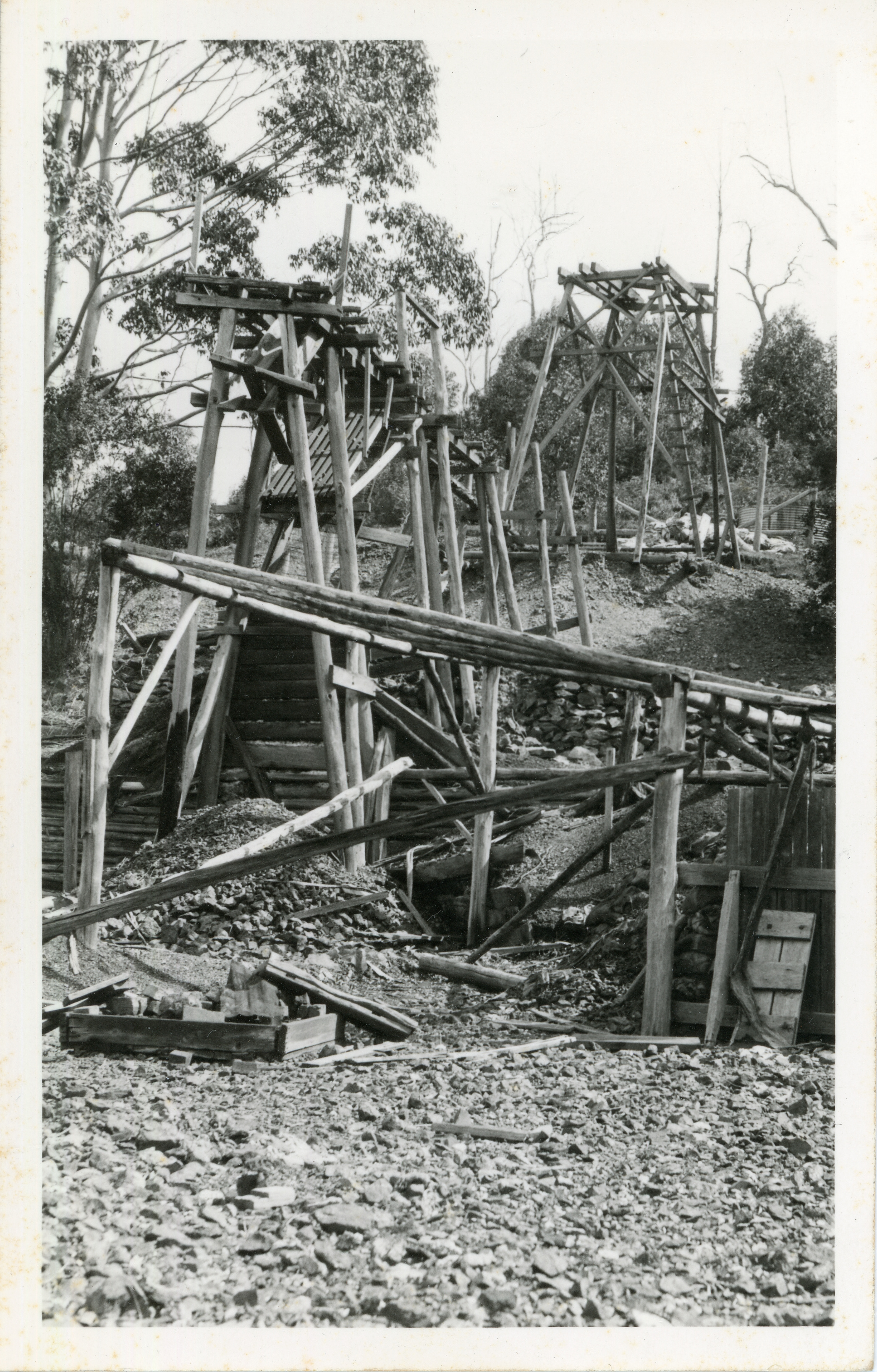
Prospecting tor gold was a favourite pastime. Some good specimens were picked up by keen men at the game, like Johnnie Wood and Johnnie McLeod. A mine was worked at Friday’s Creek for years by Richard Callopy and Bill Robinson with payable results until the inrush of water became too great. A show was also worked on John McCann’s property but petered out.
A stir was caused one Sunday afternoon when Bernice, daughter of Mr. R. Collopy got lost in the thick bush near their home. A search party was organised by Sergt. Pritzler, of Coramba, and Bernice was found after spending one night in the bush, some miles away near Boambee by Alf ide, a noted bushman.
MAIN INDUSTRIES
In the early days, timber getting and corn growing were the principal industries in the district. Today dairying is in the front line. Many fine herds are to be seen. There are some fine banana plantations on the hills. Vegetables for market are extensively grown especially tomatoes. Timber is still one of the industries.
Upper Orara has an average rainfall of 56 inches per annum and is one of the Commonwealths daily recording stations. The water for Coff’s Harbour supply is drawn from the Orara near Karangi and is of excellent quality.
For a number of years Upper Orara has had electricity installed in most of the homes. Milking machines are extensively used. There are a daily mail service and telephone in most of the homes. The school, public hall churches are a credit to the area and are kept painted and in good order. There is a fine recreation reserve on the bank of the Orara which the people are justly proud of. It is of ample size, is well enclosed and has a fine lot of shade trees with a pavilion, cricket pitch, tennis courts and football field.
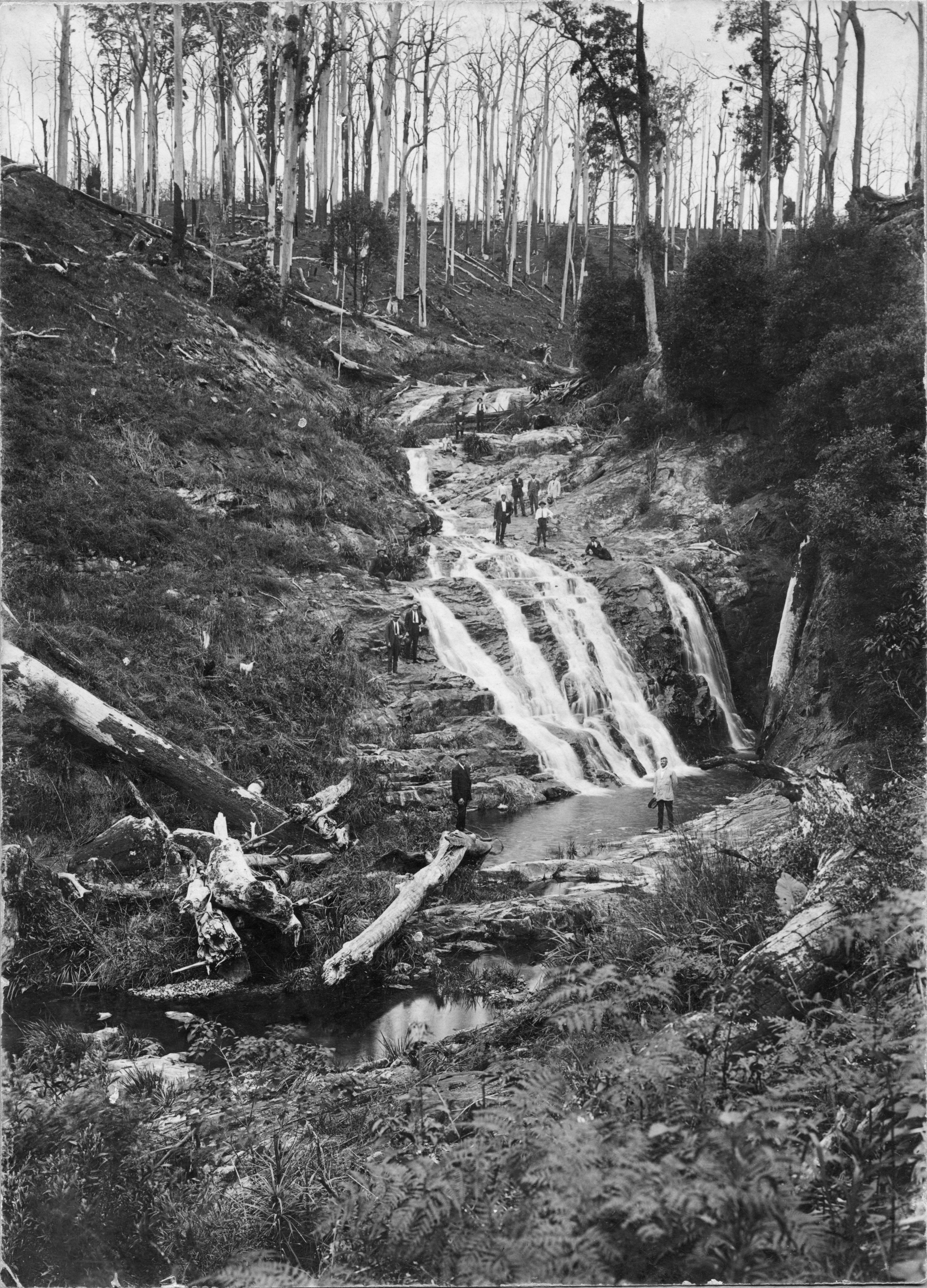
No doubt as time goes on if the people move to make it known, Orara should become a sight-seeing centre for tourists as it has a lot to offer in scenery. There are two fine waterfalls, one at Friday Creek easy of access now, and another at the head of the west branch.
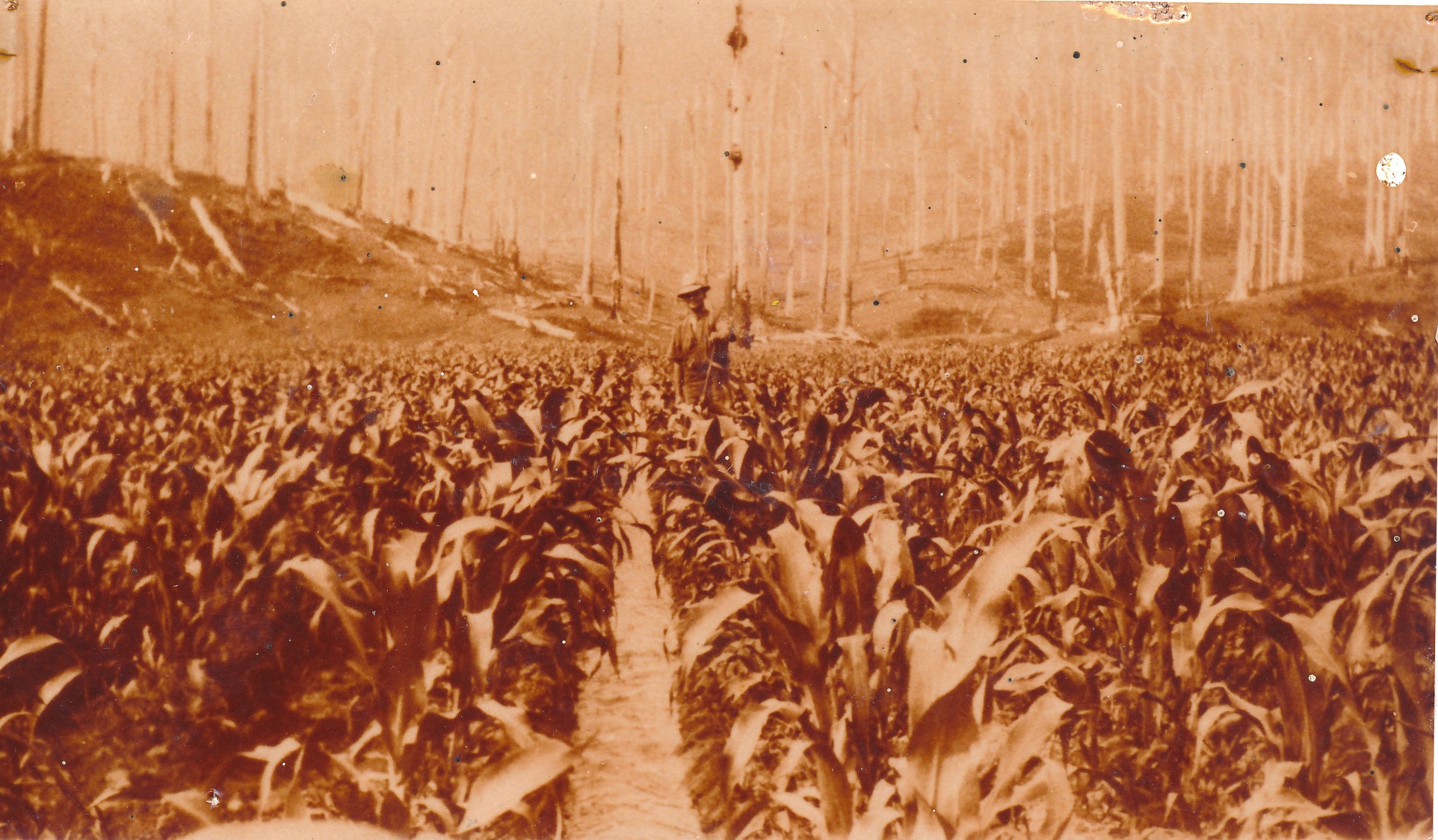
[The settlers grew corn for sale and to feed pigs from the early days before dairying started. Also, the hills behind have many dead trees some of which have fallen. They would have been rung-barked where a ring is chopped around the base of the trunk.]
PUBLIC SPIRIT
Upper Orara has been fortunate in having, right from the early days, residents who were public spirited. Many have given a lot of their time and ability to place the district in the position it is today. The district also is indebted to assistance given by members of Parliament in getting things done. Those include Mr. A. J. McFarlane, Mr. George Briner, Sir Earle Page and Mr. Roy Vincent.
Orara upheld her prestige during World War I and World War 2. Good percentage of young men joined the colours and did their bit overseas and in Australia. During World War I, Harry Small, Edwin Hartley and Cyril Blanchard paid the supreme sacrifice. In the late war all the boys returned after doing their duty.
The writer of this article has pleasant recollections of association with others in the many projects for the district’s welfare, and in arranging functions to recognise their services to the district. When they would be leaving the district, many of the older residents have passed away with records of good work nobly done.
APA citation
Sixty Years of Settlement at Upper Orara (1947, December 13). Daily Examiner (Grafton, NSW : 1915 – 1954), p. 6. Retrieved April 29, 2026, from http://nla.gov.au/nla.news-article194904931
